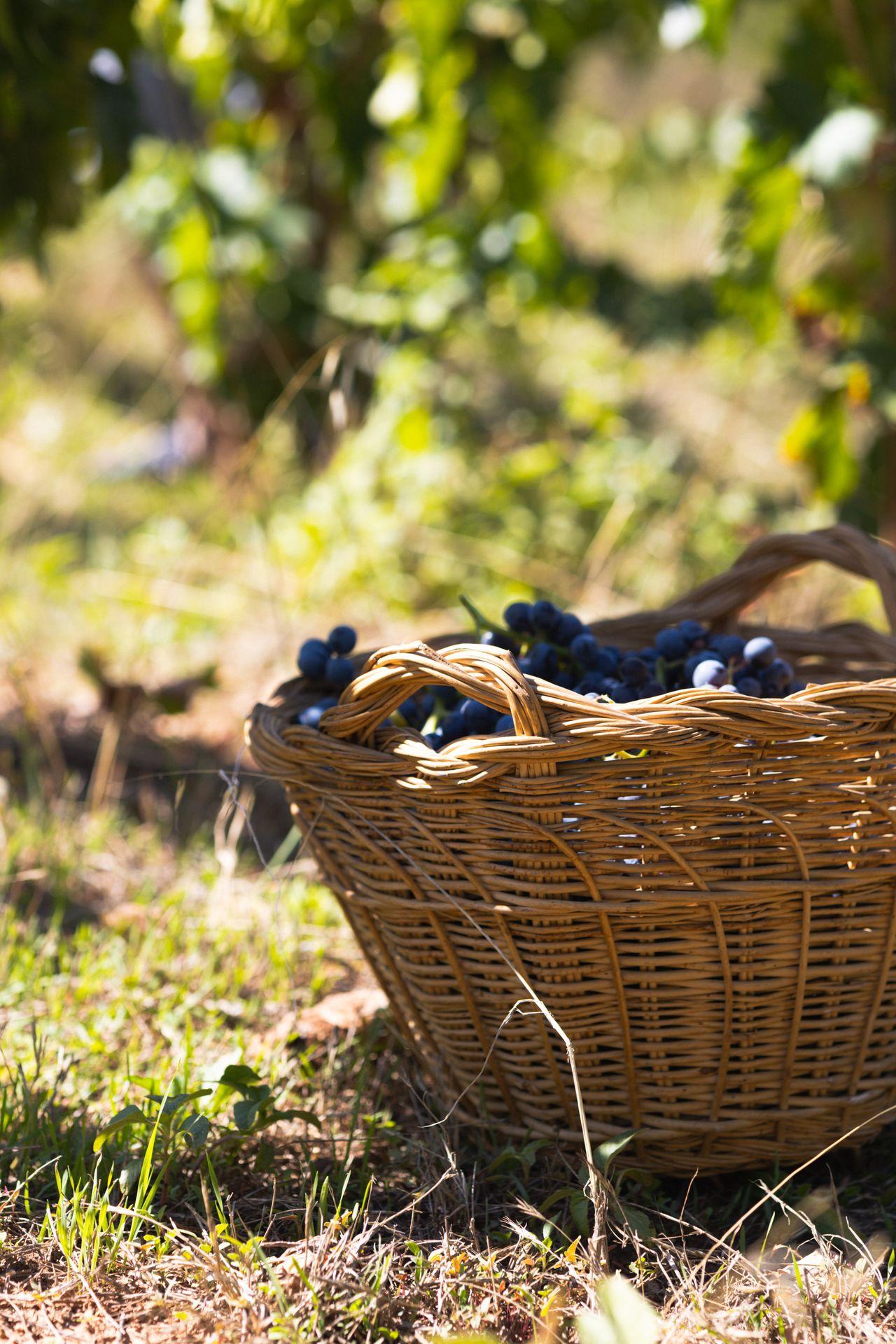
The Time of the Grape Harvest
The grape harvest is the moment when an entire year spent tending the vines comes to fruition.
Picking generally begins in the early hours of the day. The bunches are carefully selected and quickly taken to the winery, where the process of transforming grapes into wine begins. Behind every bottle lie the seasons, the soil, the climate and choices that differ from one estate to another.
For those visiting Tuscany, there is no need to take part directly in the harvest to appreciate its charm. A walk through the vineyards, a winery visit or a wine tasting offers an opportunity to experience this special time while respecting the rhythms and work of the people involved. Participation in the actual grape picking is subject to specific regulations and generally takes place as part of activities organised by individual wineries.
Chianti, Between Florence and Siena
Leaving Florence behind, it takes only a short journey for the landscape to begin to change.
The Chianti hills stretch between Florence and Siena, shaped by vineyards, olive groves, woodland, villages and ancient parish churches. Greve, Panzano, Radda, Castellina and Gaiole are among the places where you can discover a land whose history has been intertwined with wine for centuries.
Here, Sangiovese takes centre stage. In Chianti Classico, it must account for at least 80% of the grapes used and may represent up to 100%.
Yet discovering Chianti during the grape harvest means going beyond wine. Castles, villas, small medieval villages and roads following the contours of the hills reveal a Tuscany where landscape and history seem to belong to the same composition.
Stepping Inside a Winery
A wine tasting in Tuscany takes on a special significance during the grape harvest.
Wineries are first and foremost places of work. At this time of year, the transition from vineyard to wine becomes particularly tangible, offering the opportunity to learn about grape varieties and winemaking techniques and to understand how deeply the character of each wine is shaped by the land from which it comes.
Tuscany's wine heritage extends far beyond Chianti: Brunello di Montalcino, Vino Nobile di Montepulciano, Vernaccia di San Gimignano and the wines of Bolgheri each express different landscapes and traditions. Sangiovese, however, remains the emblematic grape variety of much of the region's red wine production.
A tasting thus becomes a way of reading the landscape through what it produces.
Villages, Vineyards and Roads to Travel Slowly
Perhaps the best way to discover Tuscany during the grape harvest is not to be in too much of a hurry.
The Chianti Classico Wine and Olive Oil Route crosses a landscape of vineyards, olive groves, castles, parish churches and traditional farmhouses between Florence and Siena.
A day might combine a winery visit with a walk through Greve, a stop in Montefioralle or Panzano and lunch among the hills. There is no need to fill the day with destinations. Part of the beauty lies in the spaces between them: a road lined with cypress trees, a recently harvested vineyard, or a bend that suddenly reveals the countryside stretching towards the horizon.
At this time of year, villages also celebrate wine with festivals and events rooted in local tradition. September is traditionally associated with wine in Tuscany, with long-established events such as the Festa dell'Uva in Impruneta and the Chianti Classico Expo in Greve.
From Renaissance Florence to the Wine Country of Tuscany
One of Florence's most distinctive qualities is its ability to be both a destination and a starting point.
In the morning, you can walk among Renaissance palaces and works of art; a short while later, leaving the historic centre behind, you can find yourself surrounded by rows of Sangiovese vines and roads winding through the hills.
The transition is not a break between two separate worlds. Florence and its surrounding countryside share centuries of history, families, trade and culture. The history of Chianti Classico itself is deeply rooted in the land between Florence and Siena and in its longstanding relationship with the Florentine Republic.
Experiencing both dimensions offers a deeper understanding of Tuscany: the monumentality of the city and the quiet measure of the countryside are two expressions of the same land.
Palazzo Ruspoli: Florence as a Starting Point
From the heart of Florence, Palazzo Ruspoli offers the opportunity to alternate city life with a day among the Tuscan hills.
After a morning spent between the Duomo and the streets of the historic centre, the landscape can change completely: a carefully selected winery, a tasting, a historic village and the silence of the vineyards during one of the most important moments of the year.
And in the evening, the return to Florence.
Perhaps it is this contrast that makes experiencing the grape harvest from Palazzo Ruspoli so distinctive: moving from Renaissance stone to vineyard soil and discovering, in both, a history that continues to be lived.
Discover Tuscany During the Grape Harvest
Be inspired by our recommendations and discover carefully selected wineries, vineyards and villages where you can experience the Tuscan landscape at the moment when wine, land and tradition come together.
Contact us