Inspirations
Discover the unexpected side of Florence. Experiences, places and moments where culture meets everyday life.
An open, ever-changing space where the city tells its story through events, discoveries, and experiences.
Discover the unexpected side of Florence. Experiences, places and moments where culture meets everyday life.
An open, ever-changing space where the city tells its story through events, discoveries, and experiences.
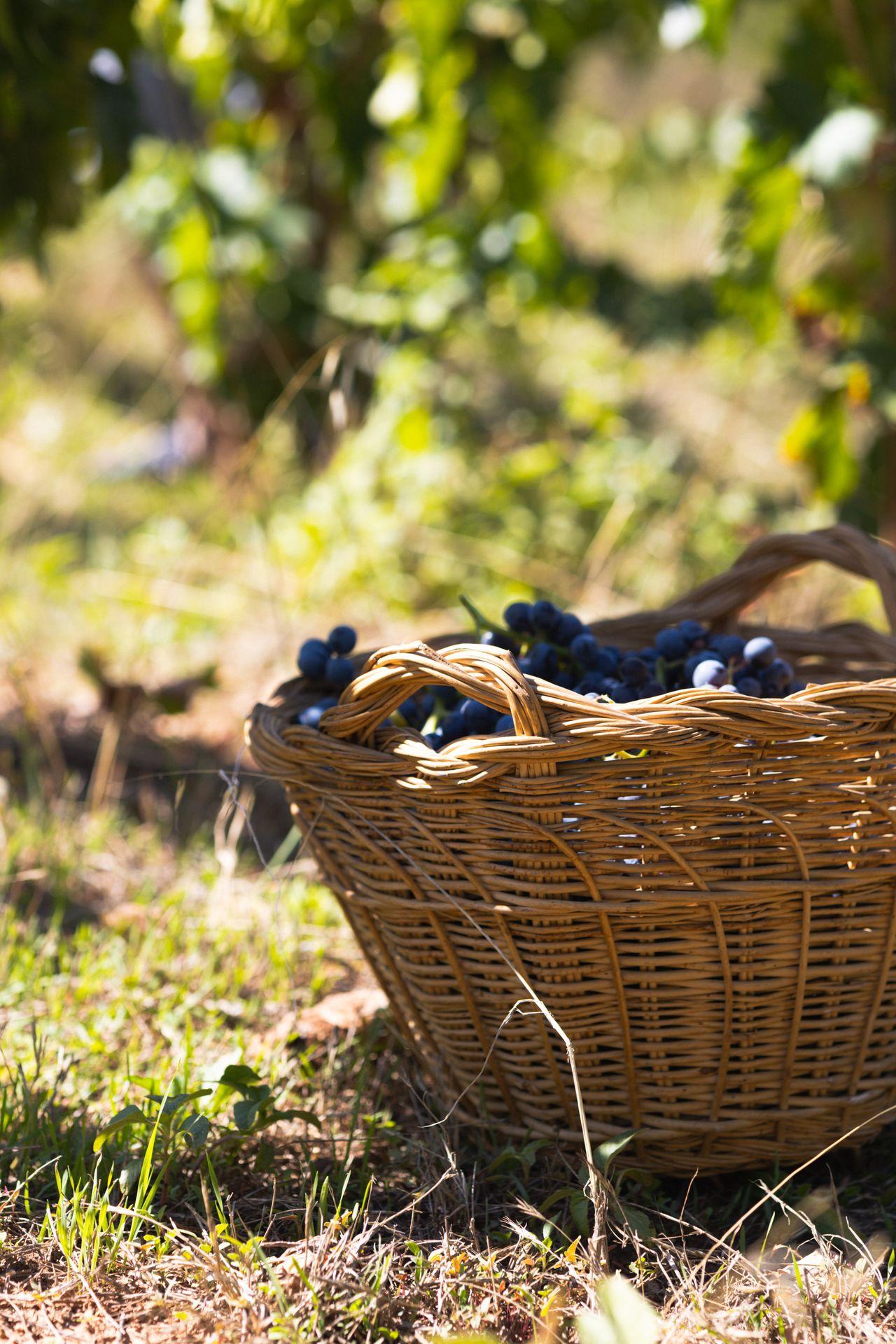
Between the end of summer and the beginning of autumn, the Tuscan hills change their rhythm. The grape harvest begins in the vineyards, wineries come alive, and the changing season gradually transforms the colours, scents and light of the countryside.
This is the time of the grape harvest in Tuscany, one of the moments most deeply connected to the region's rural culture. September and October are generally the main harvest months, although each vineyard follows its own timing, depending on the season and the ripeness of the grapes.
Leaving Florence for the countryside at this time of year means witnessing Tuscany as it performs one of its most ancient rituals.
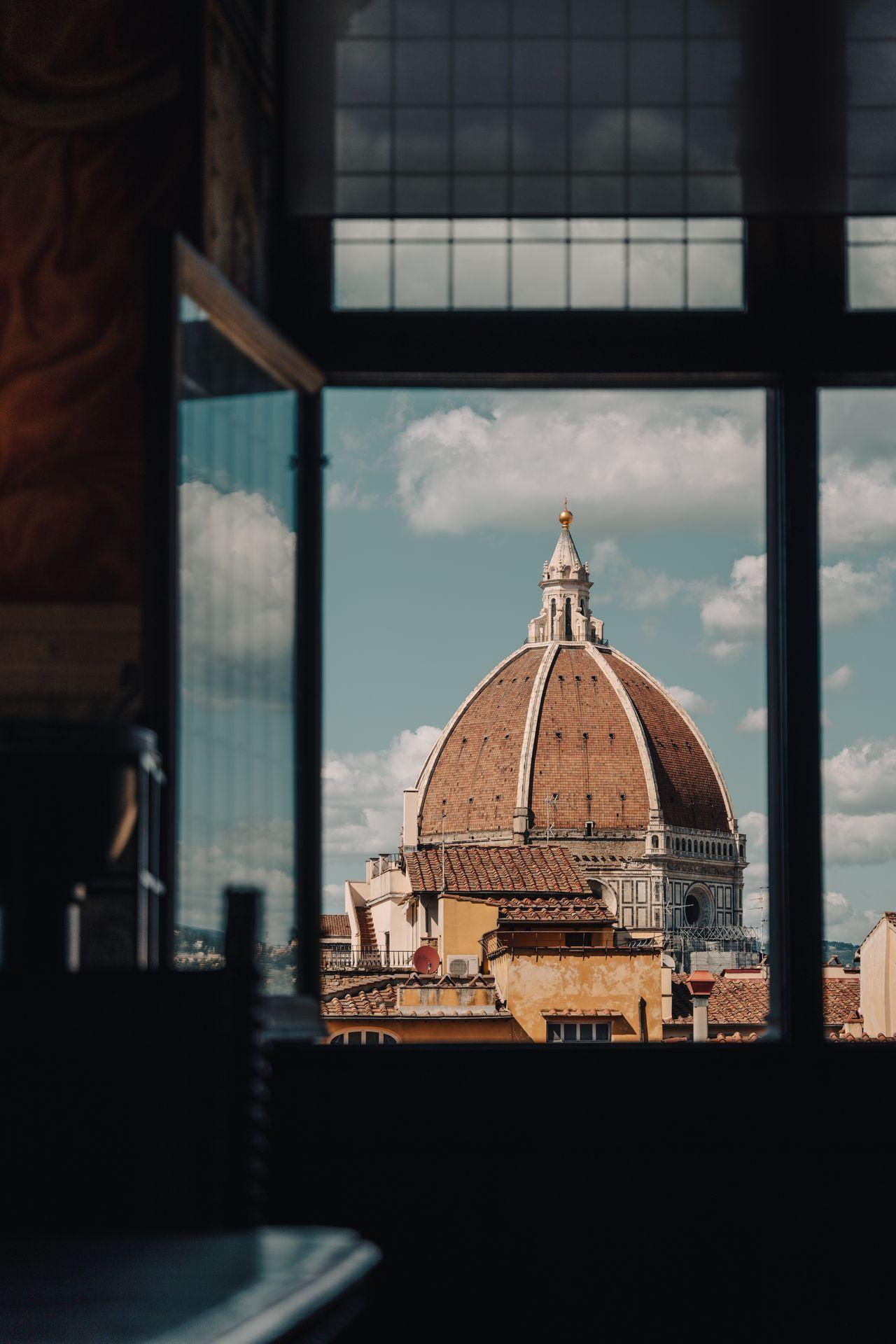
The name Filippo Brunelleschi is inseparable from the skyline of Florence. The Dome of Santa Maria del Fiore still dominates the city today and remains his most celebrated masterpiece. Yet reducing the architect's legacy to the extraordinary achievement of the Duomo means seeing only one part of the revolution that helped transform Florence.
Churches, chapels, porticoes, and spaces designed according to new principles of proportion tell another story. Following Brunelleschi's works in Florence means tracing the very origins of Renaissance architecture and learning, step by step, to see the city through different eyes.
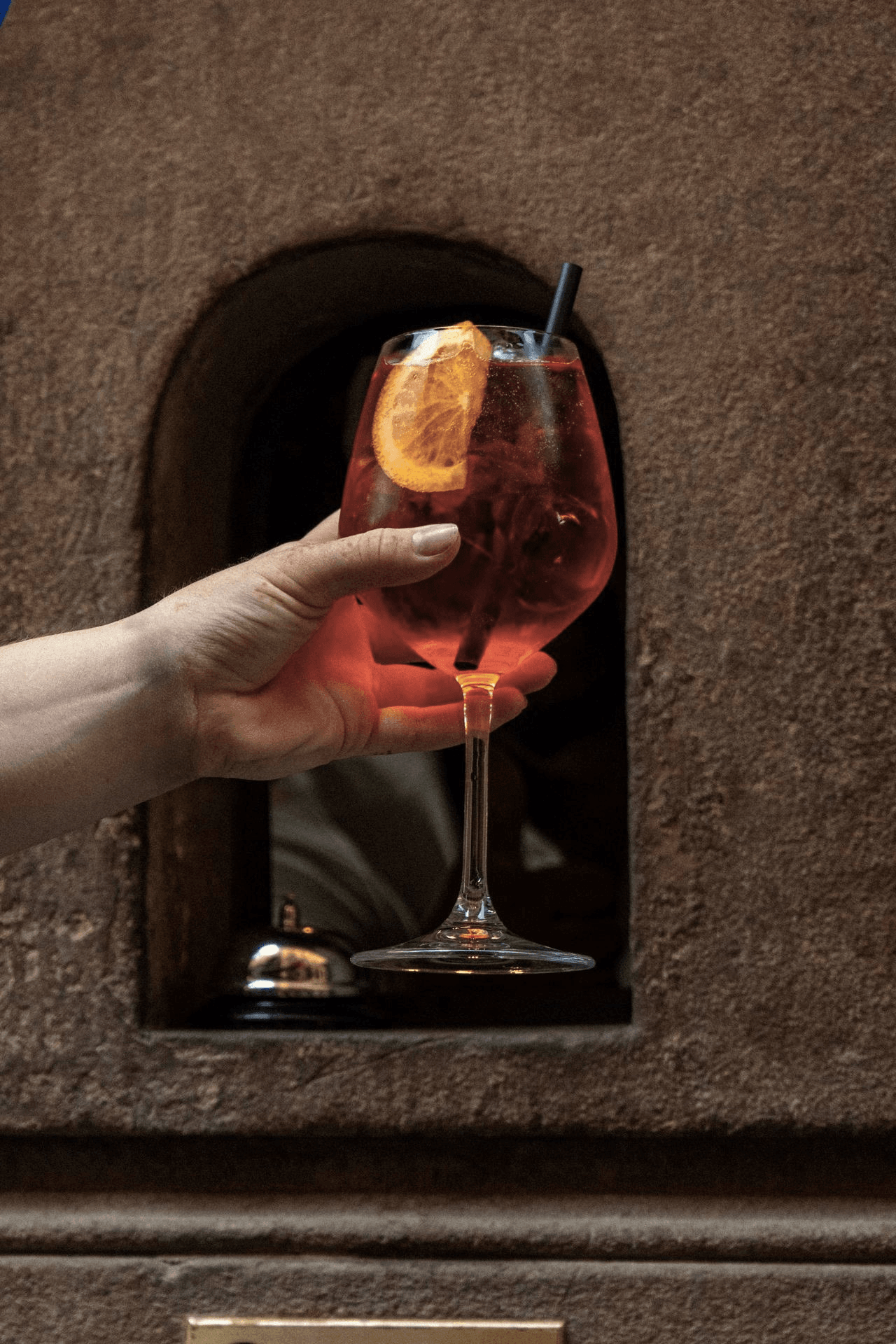
There is a moment between afternoon and evening when Florence changes pace. The light softens, the squares settle into the evening, and café tables begin to fill. This is the time for an aperitivo in Florence, a simple and quintessentially Italian ritual: meeting over a glass of wine or a cocktail and enjoying the pleasure of being together before dinner.
Experiencing it during a stay means discovering an everyday side of Florence, shaped not only by monuments and museums, but also by local habits, conversations, and small rituals.
Many people think of Florence as a destination best visited in spring or autumn. Yet those who choose to visit Florence in August discover a different side of the city—slower, brighter, and surprisingly authentic.
The days begin early, the evenings stretch long into the night, and the historic centre takes on a different character. By simply adjusting the pace of your day, you can experience Florence from a fresh perspective, alternating its iconic masterpieces with lesser-known places and enjoying the pleasure of wandering without a fixed destination.
Every city has its own rhythm. Florence reveals hers only to those who choose to slow down.
Summer fills the city with bright days and lively squares. Yet even during the busiest months, it is still possible to experience Florence at a slower pace, guided not by the urge to see everything, but by the pleasure of observing, lingering, and discovering.
There is another Florence that continues to breathe calmly—a city of quiet streets, secluded gardens, hidden courtyards, and unexpected views that reveal themselves to those willing to see the city from a different perspective.
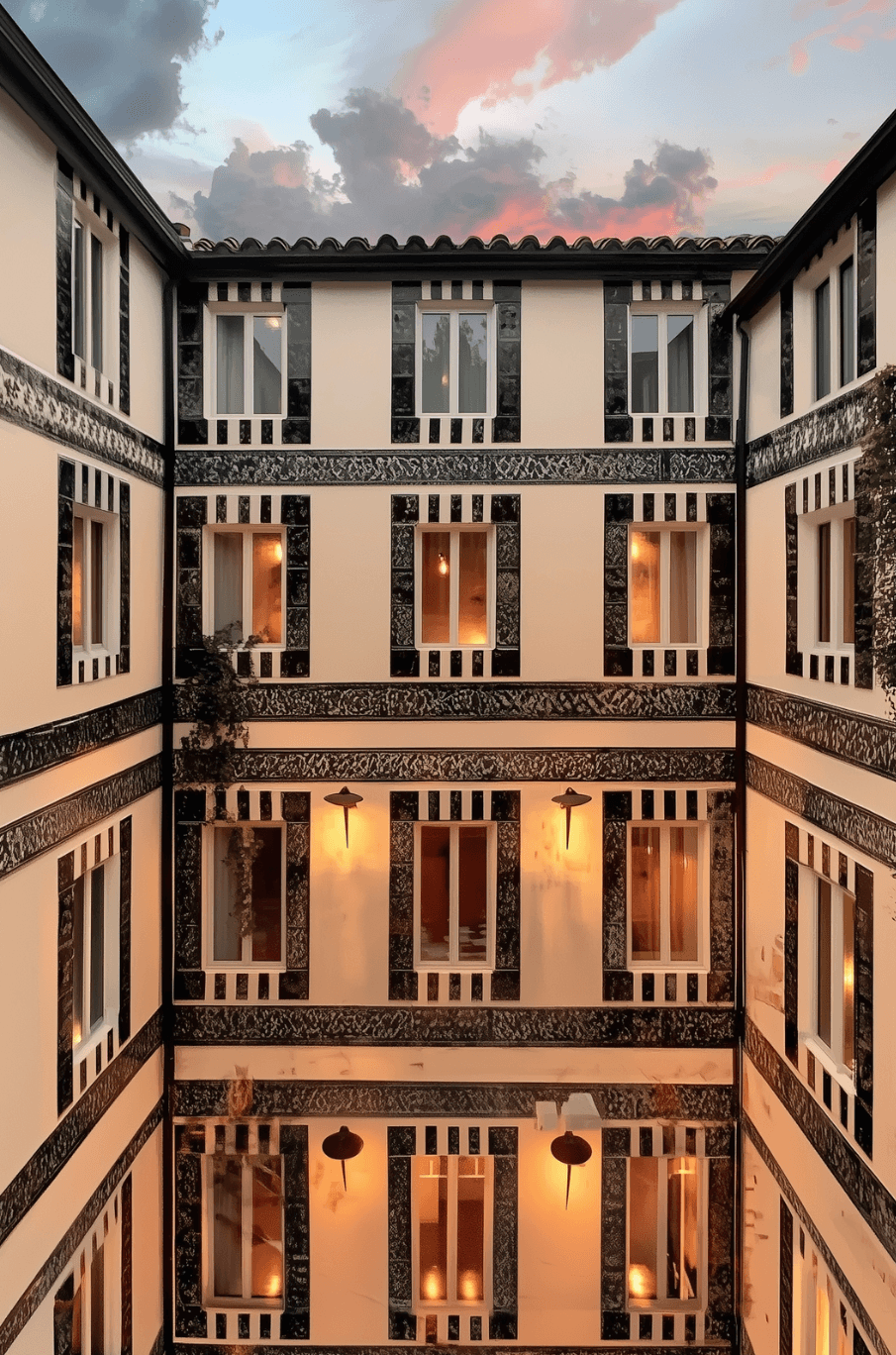
As the sun gives way to the warm golden light of evening, Florence begins to slow down. The squares grow quieter, monuments are softly illuminated, and the historic centre takes on an intimate atmosphere that invites you to linger. It is at this moment that staying in a historic palazzo in Florence becomes more than accommodation—it becomes an experience that transforms a simple journey into a lasting memory.
Far from the bustle of the busiest hours of the day, summer evenings reveal a different side of the city. Walking through the historic streets means travelling across centuries of history, accompanied only by the sound of your footsteps, while Renaissance architecture reveals details that often go unnoticed in daylight.
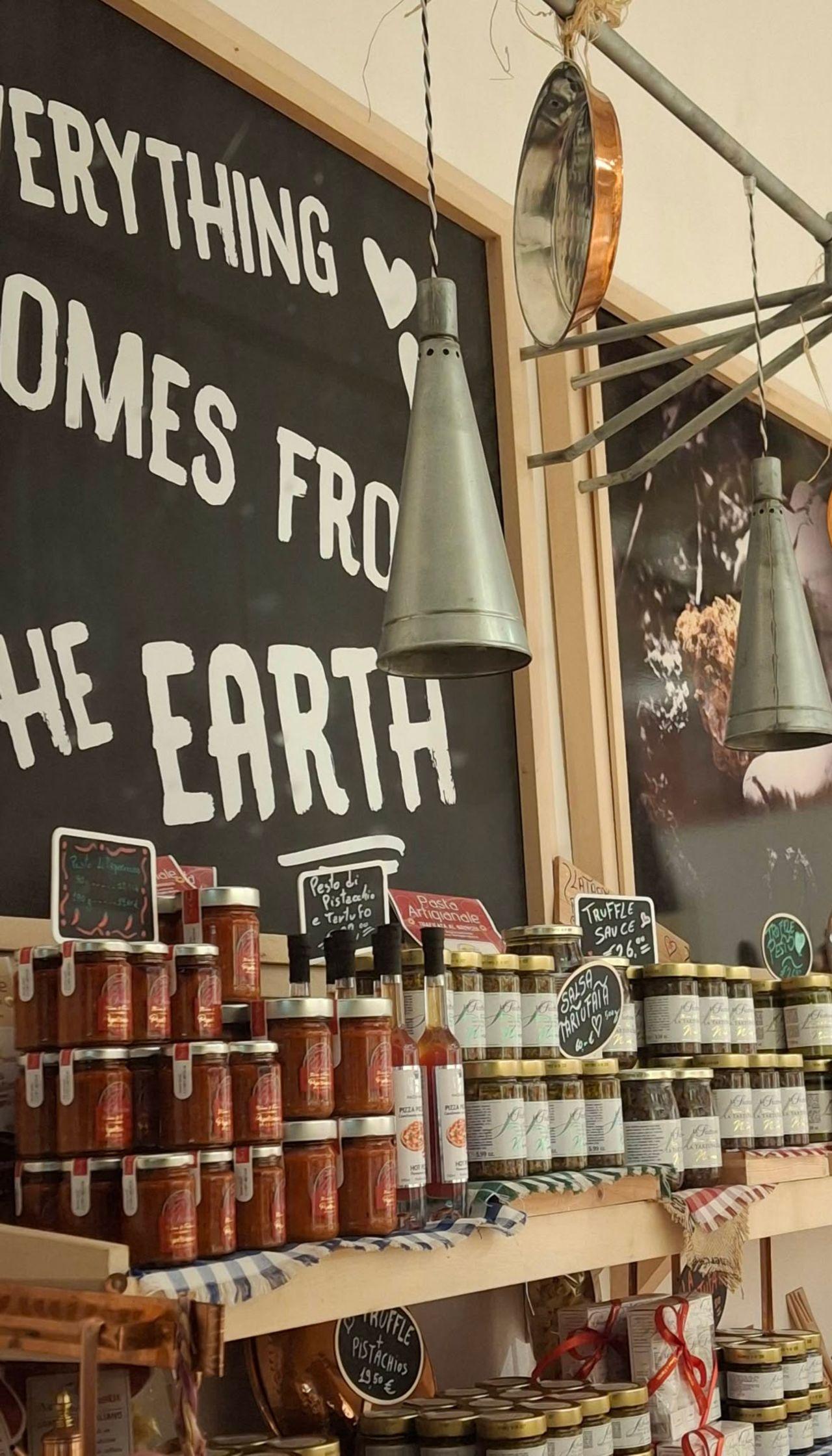
Visiting Florence means immersing yourself in the art, history and Renaissance architecture of the city, while also discovering a culinary tradition that has celebrated the quality of local ingredients for centuries. During the summer months, Tuscan cuisine reveals its most authentic character through simple dishes, seasonal produce and perfectly balanced flavours that express the essence of the region with understated elegance.
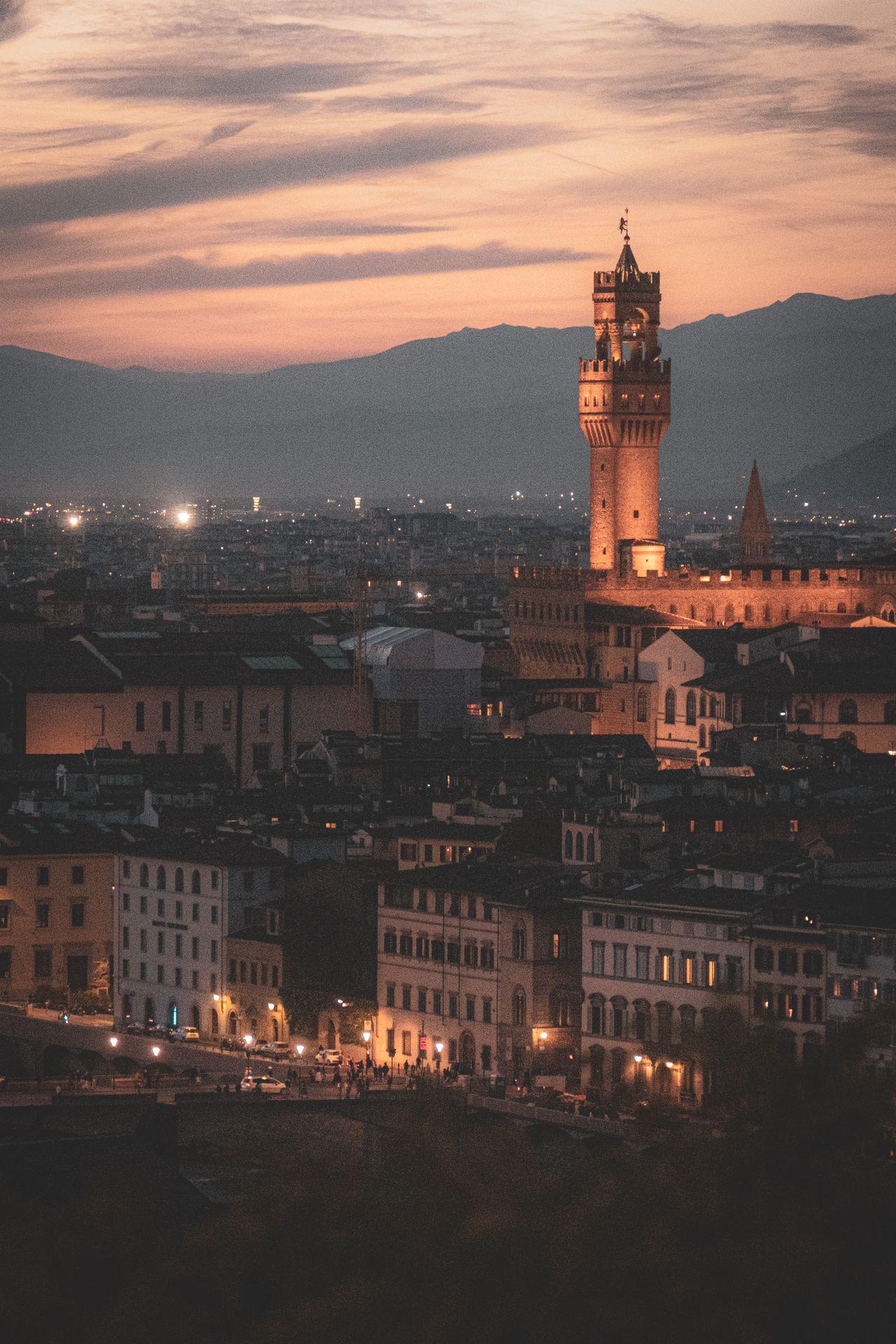
When the sun sets and the last light of day brushes the Renaissance buildings, Florence reveals a different side of itself. Quieter, more authentic, more intimate. As the bustle of the day slowly fades from the streets, the city reclaims the tranquillity that has belonged to it for centuries.
Until 23 August 2026, Palazzo Strozzi is hosting one of the most important retrospectives ever dedicated to Mark Rothko (1903–1970) in Italy, a central figure in modern American art and a master of Abstract Expressionism.
Entitled "Rothko in Florence", the exhibition is curated by Christopher Rothko and Elena Geuna and has been created specifically for Florence, a city the artist visited in the 1950s and 1960s and which profoundly influenced his vision of colour and space.
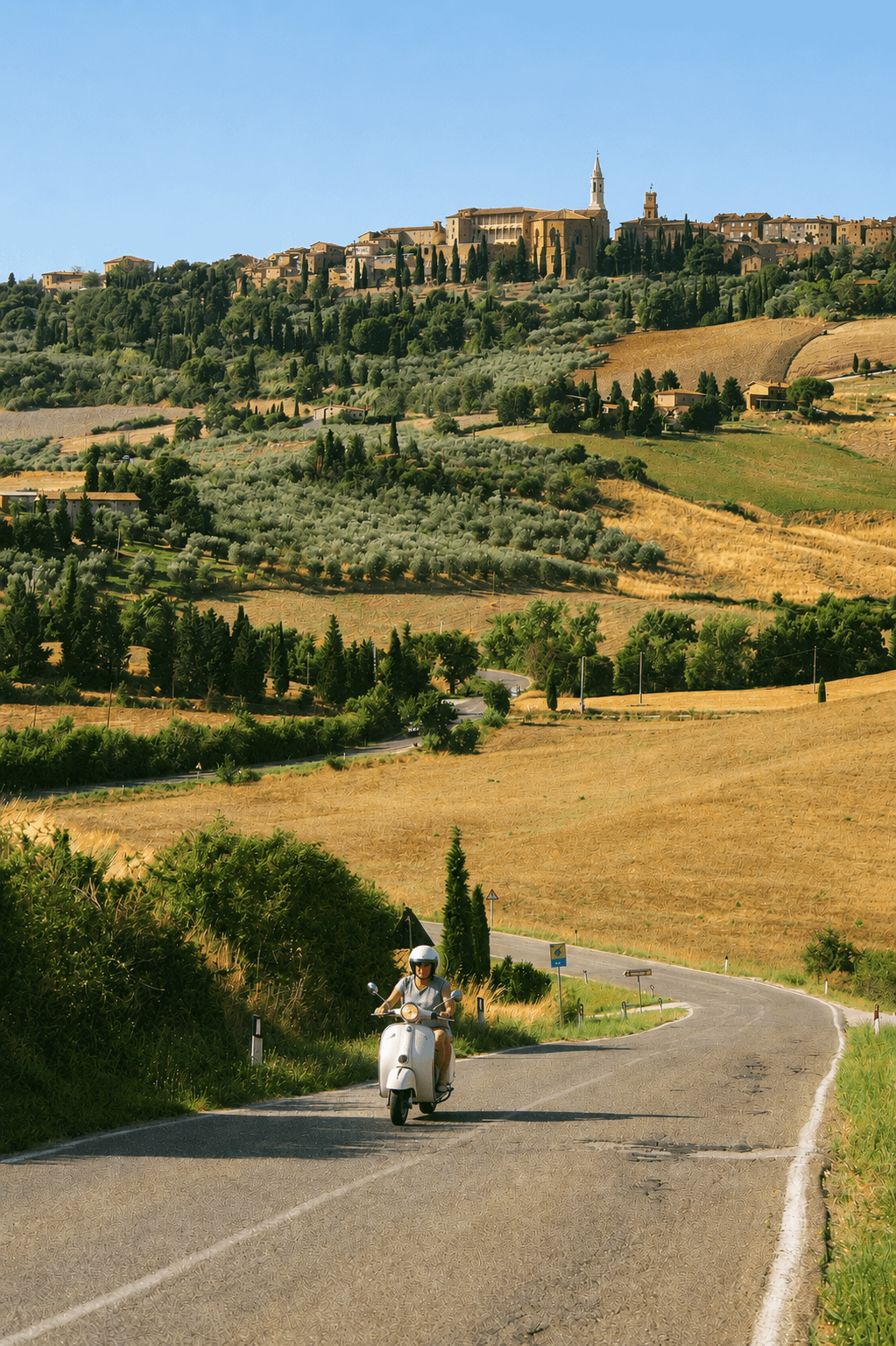
Just beyond Florence, the landscape begins to soften and open out. Renaissance buildings give way to vineyards, cypress-lined roads, olive groves and hilltop villages set among rolling countryside. An escape into the Tuscan countryside means embracing a slower pace, where nature and history exist side by side and every place retains its own unhurried rhythm.
Between Chianti, the Val d’Orcia and the hills surrounding Florence, Tuscany reveals its most authentic side: landscapes shaped by light, panoramic roads to be travelled without haste, and residences immersed in greenery.
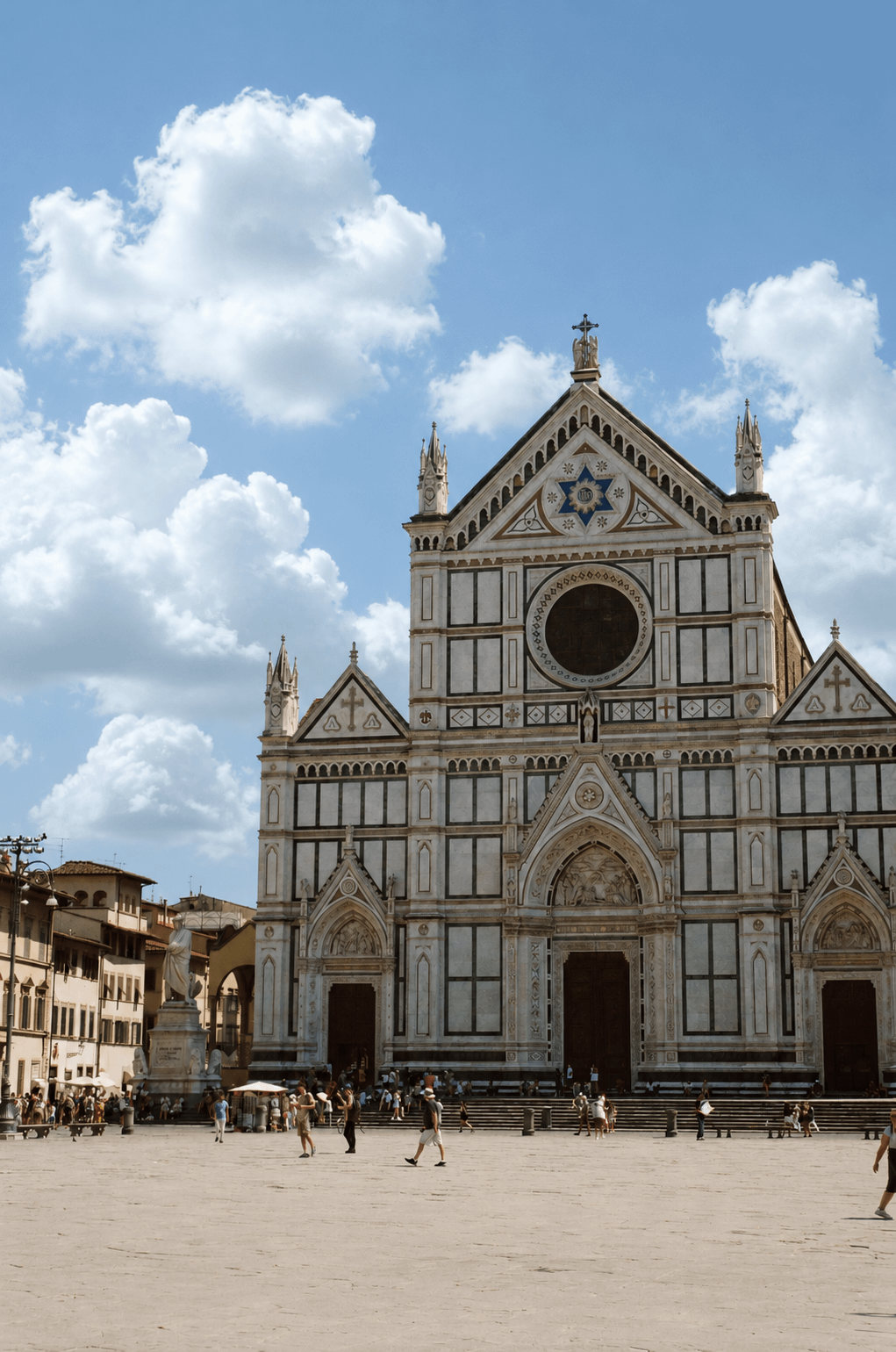
Among Florence’s most iconic landmarks, Piazza Santa Croce embodies one of the most authentic sides of the historic centre. Spacious, light-filled and deeply connected to Florentine life, the square has for centuries been a place of gathering, celebration and belonging, where history and everyday life continue to naturally coexist.
Dominated by the Basilica of Santa Croce – the burial place of figures such as Michelangelo, Galileo and Machiavelli – this part of the city retains a distinctive atmosphere: more open, more vibrant and intimately tied to Florence’s collective memory.
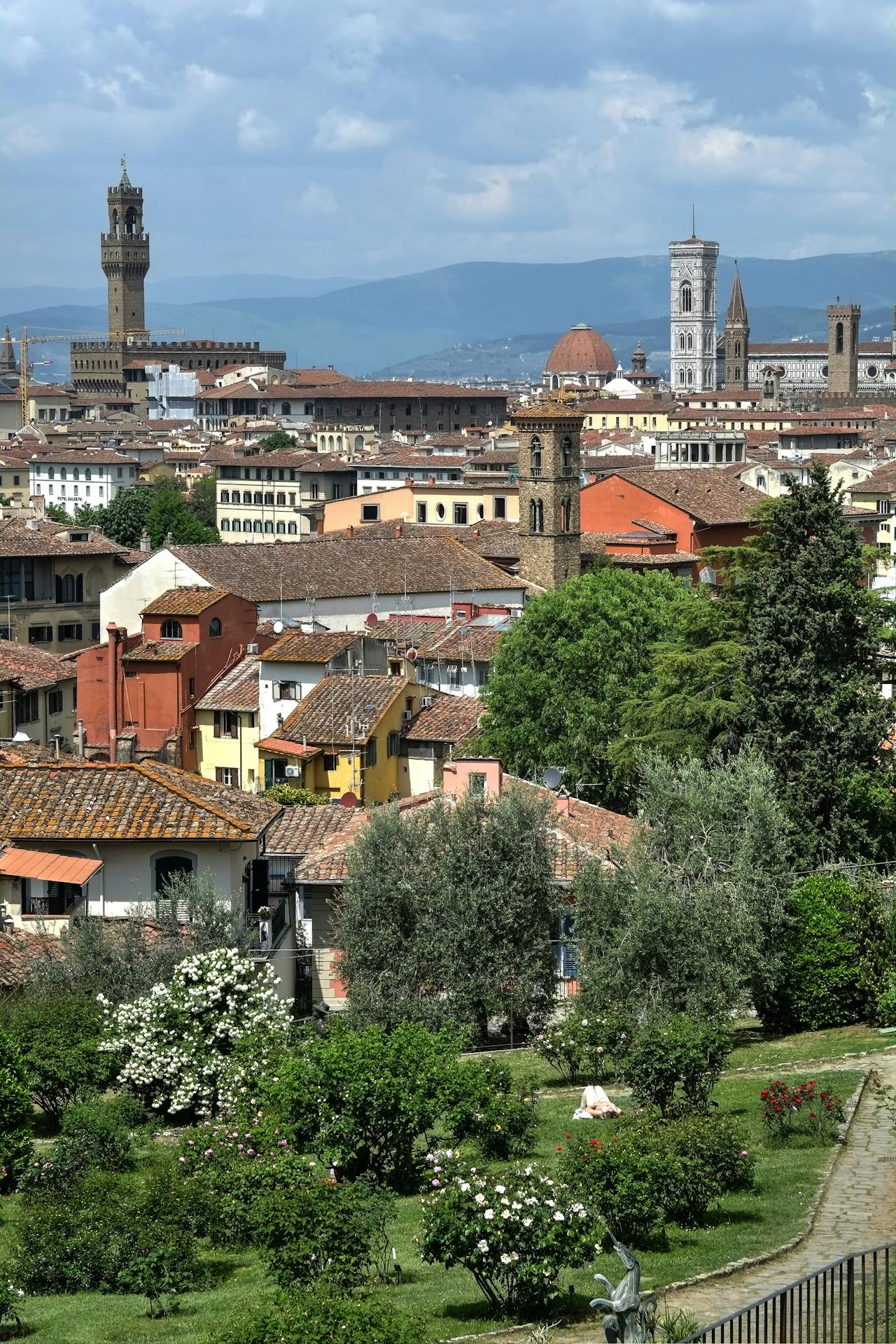
Florence has a deep-rooted deep connection with the landscape and the art of gardening. In addition to its museums and Renaissance architecture,the city also has green spaces that reveal another side to life in Florence: one that is slower-paced, more intimate and contemplative. From the grand historic gardens to the hills surrounding the city centre, Florence’s most beautiful gardens provide places to wander through at a leisurely pace, taking in the changing light and the passing seasons.
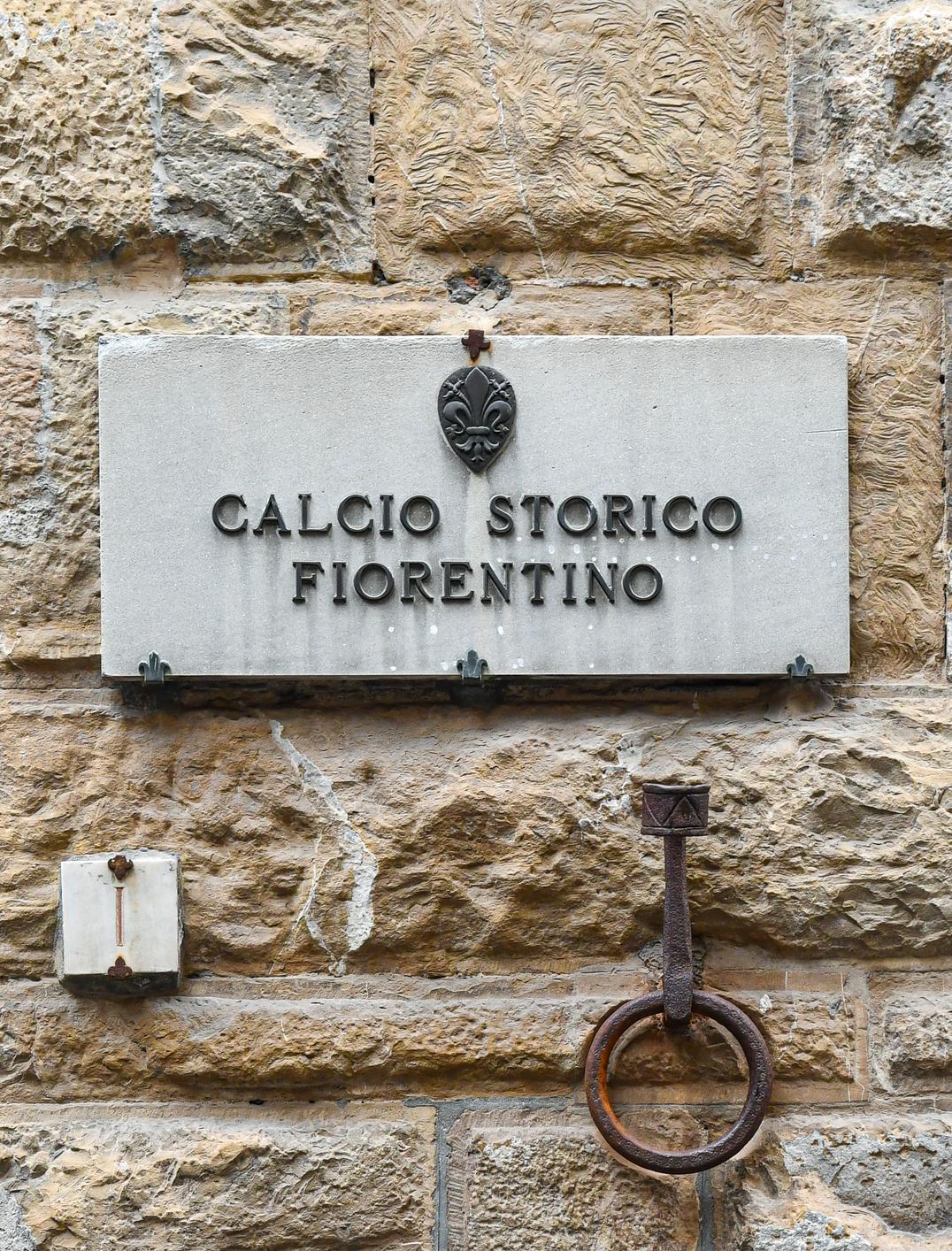
Among the city’s most exciting and iconic events, Calcio Storico Fiorentino (an early form of football) continues to be one of the most authentic expressions of Florence’s traditions. More than a competition, more than a spectacle: a ritual that combines memory, a sense of belonging and collective excitement, transforming Piazza Santa Croce into an arena poised between the past and the present.
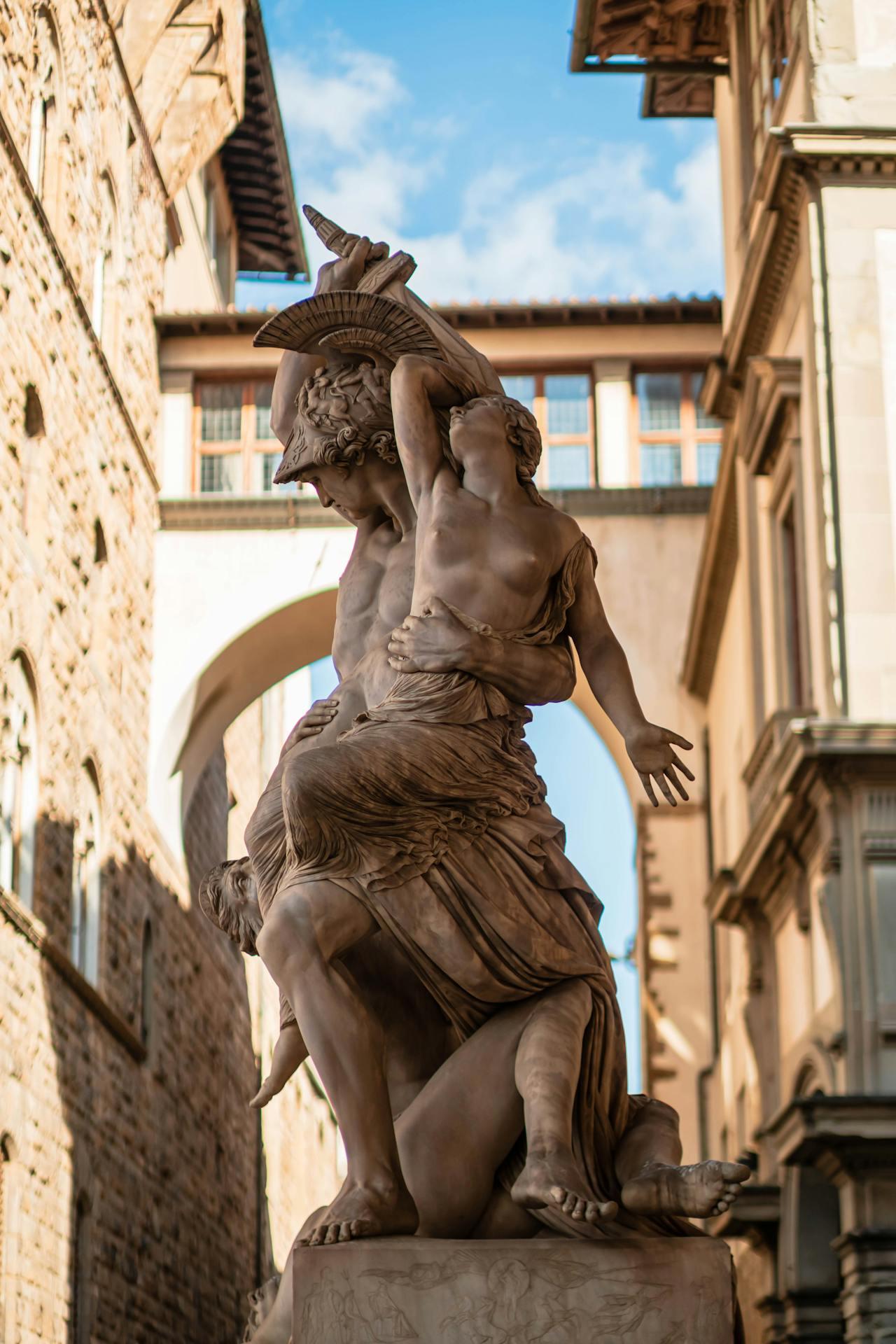
For art enthusiasts, Florence is about more than just the galleries of the Uffizi or the great masterpieces housed in its most famous museums. The city also has a quieter side, made up of secluded spots, art studios, hidden buildings and details that gradually emerge as you stroll along at a leisurely pace.
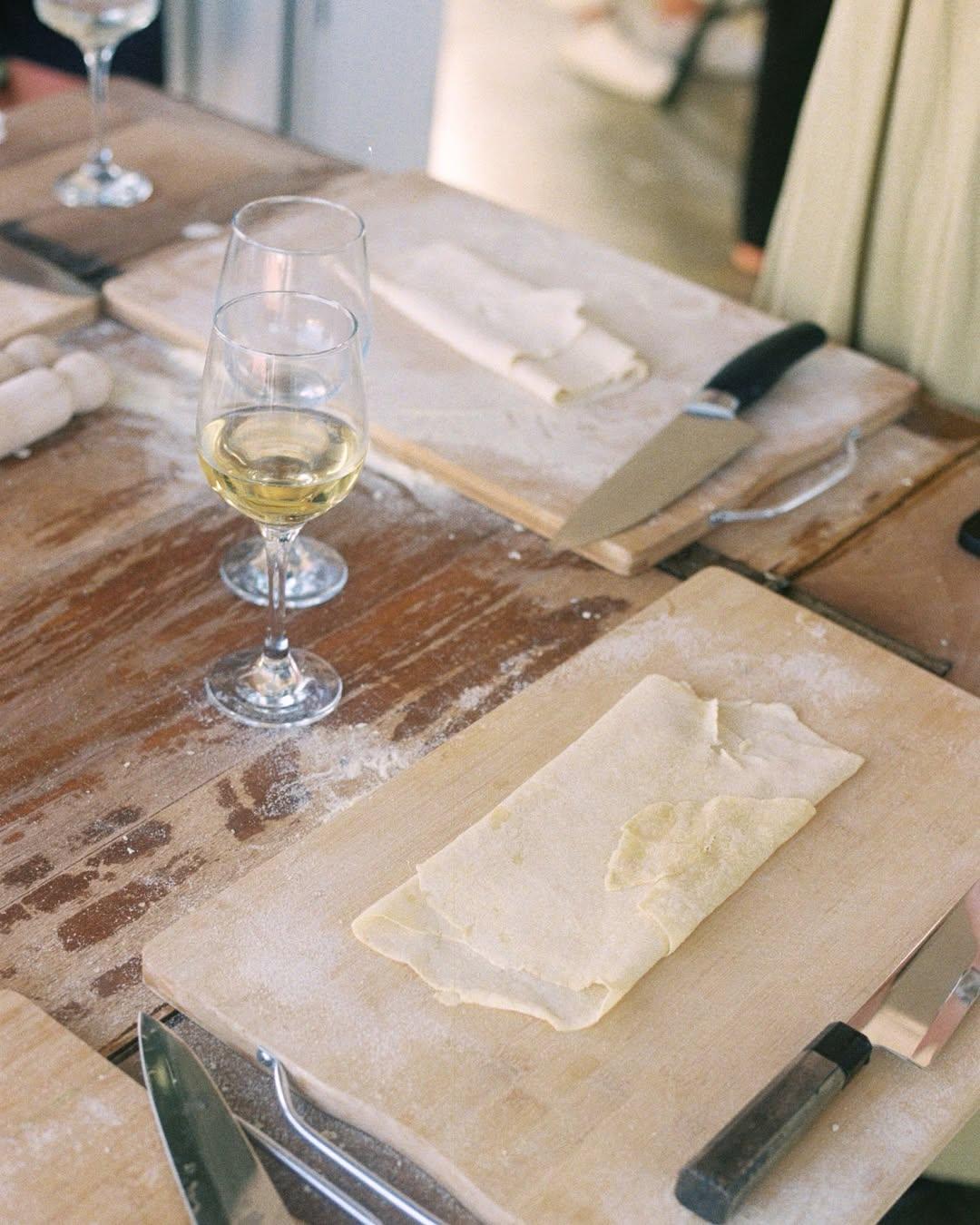
In the heart of Florence, cookery classes in Florence offer an exclusive opportunity to immerse yourself in Italian culture through food preparation, hands-on experience and tasting. It is not just a matter of learning a recipe, but of embracing a gesture: slow, precise, deliberate.
Flour that takes shape, the dough that is transformed, the rhythm of the hands following an ancient tradition. Each step restores a sense of a tradition that is not demonstrated but transmitted.
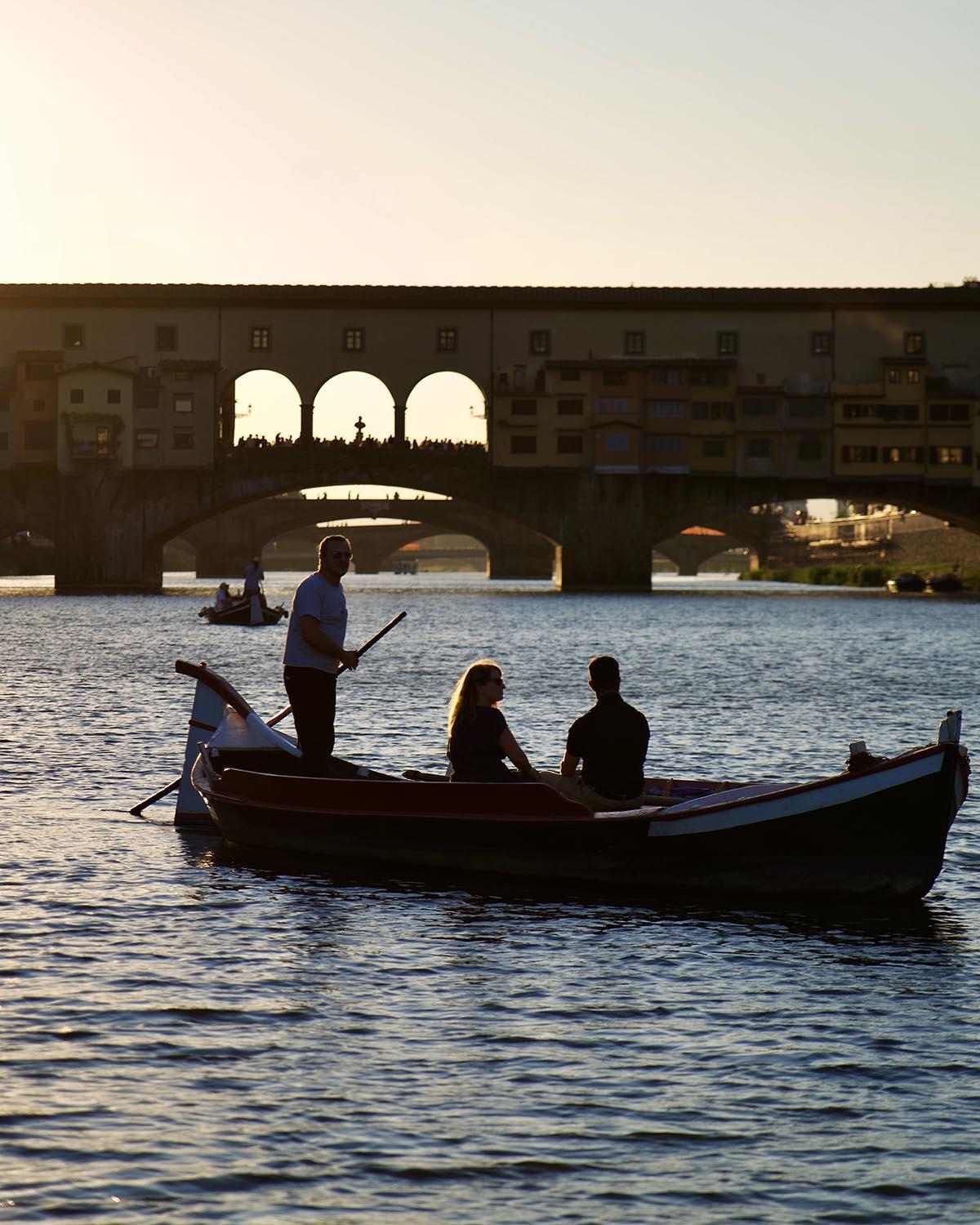
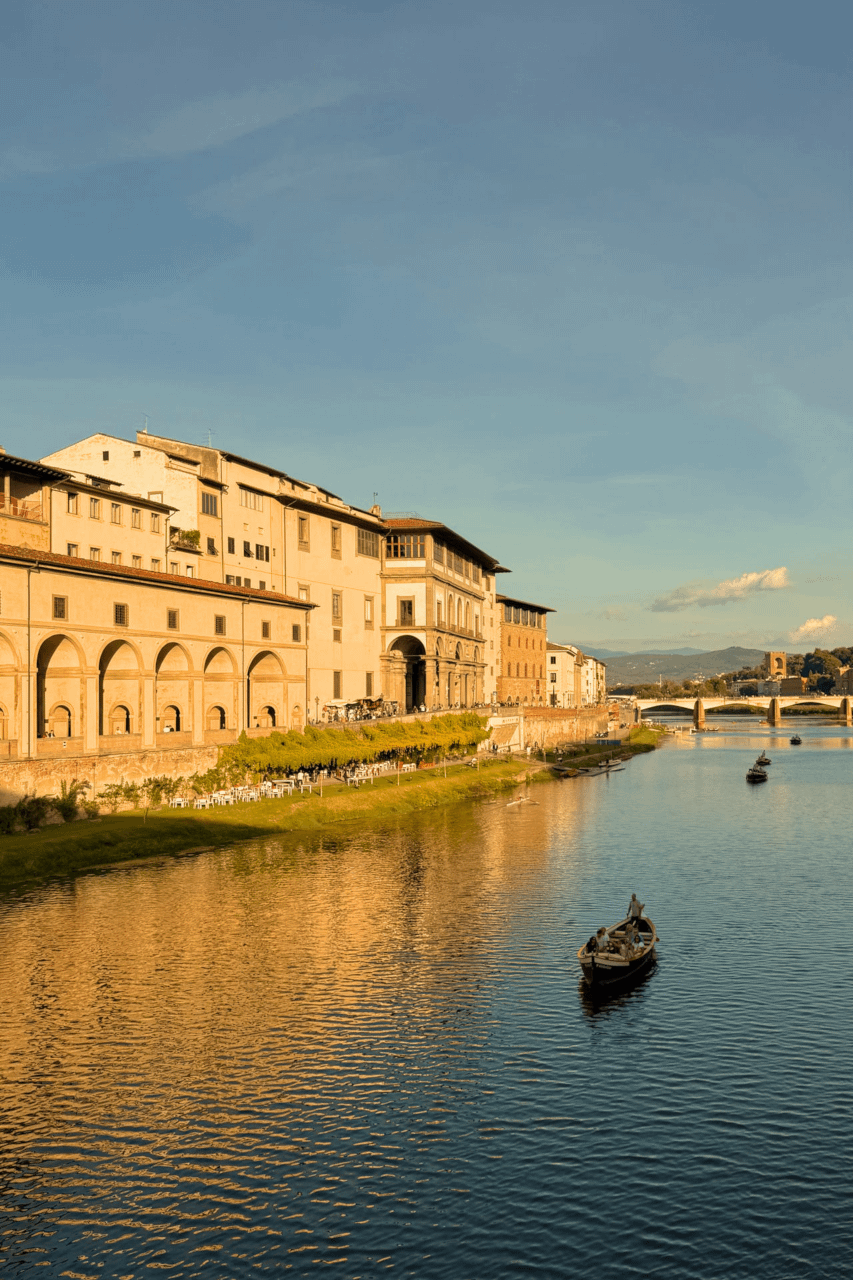
One of the most awe-inspiring experiences to enjoy while visiting the city is a boat trip in Florence along the river Arno. Far from the hustle and bustle of the streets and squares, the city reveals a different side: bridges viewed from below, the facades of buildings reflected on the water and the gold light glimmering along the riverbanks.
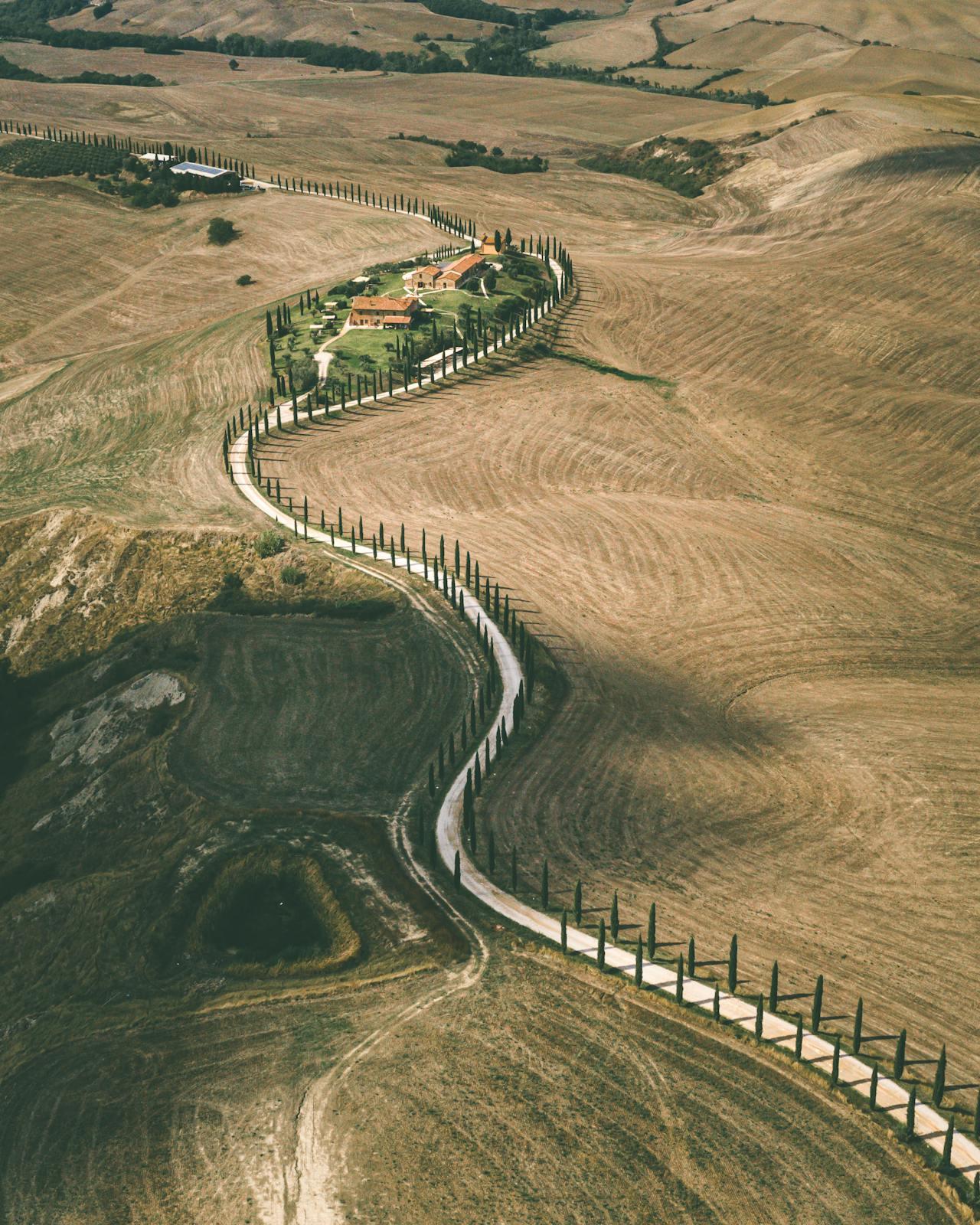
Among the most authentic experiences to enjoy during a stay in Florence, wine tastings in Tuscany offer a first-hand encounter with the region, its culture and its natural pace of life. From the vineyards of Chianti Classico to the hills of Val d’Orcia, every route crosses iconic landscapes and places where tradition is revived with moderation and continuity.
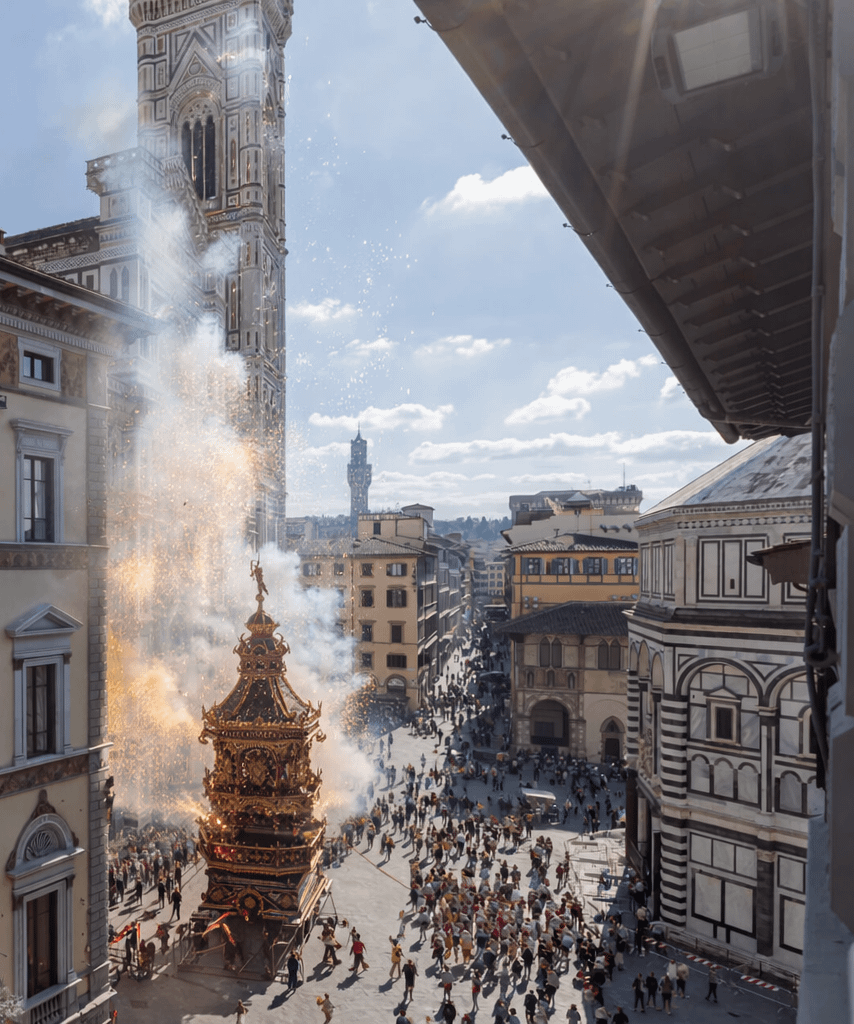
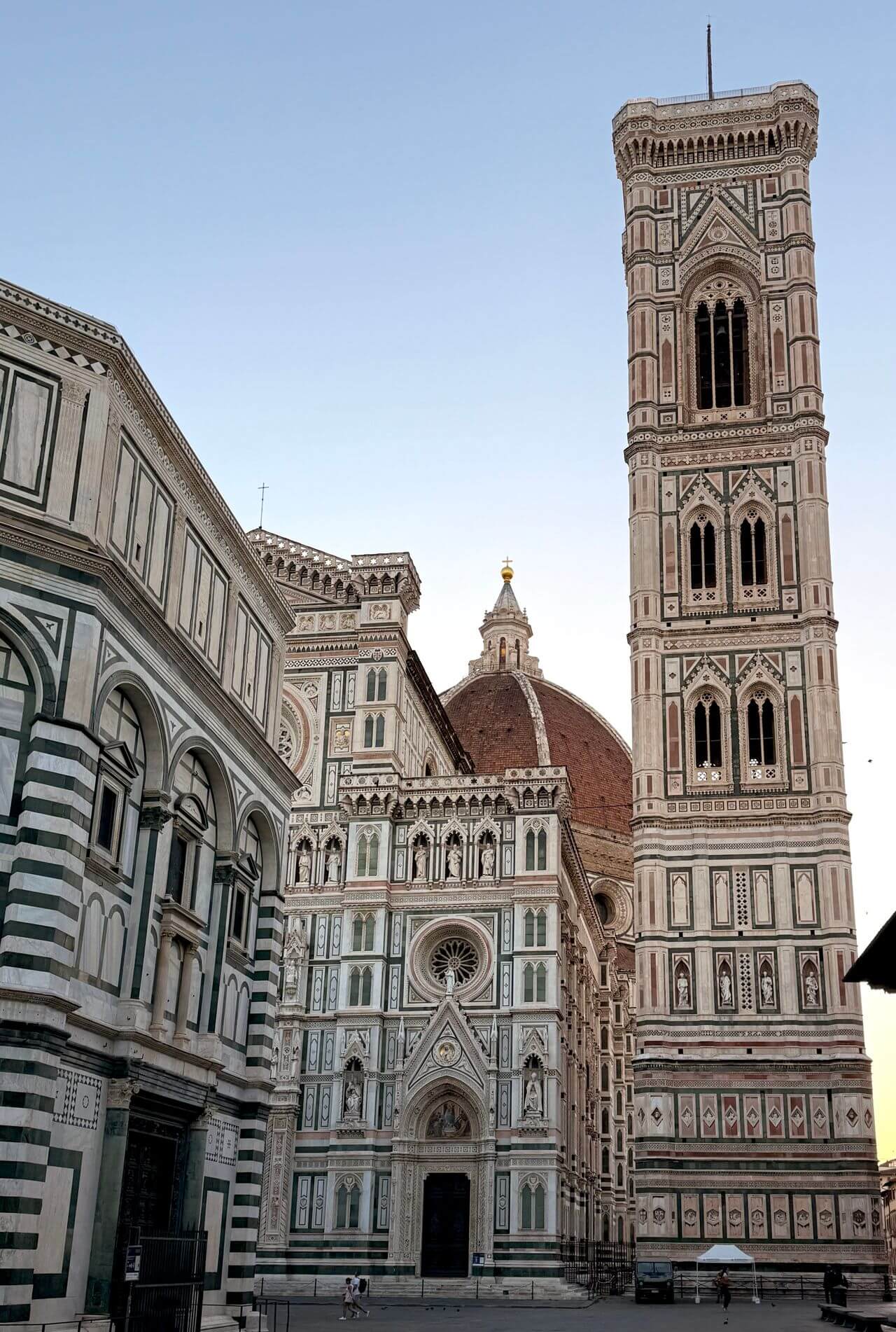
Every spring, in the heart of the city, Florence revives one of its oldest and most spectacular events: the Scoppio del Carro in Florence, a firework show that has combined faith, history and civic identity for over five centuries. In Piazza del Duomo, between the Cathedral of Santa Maria del Fiore and the Baptistery of San Giovanni, this Easter ritual continues to evoke the city’s deep-rooted history, striking a rare balance between the sacred and spectacular.